The post The Beautiful Charm of Tuamese Hill, Similar to Raja Ampat appeared first on Authentic Indonesia.
]]>
The Enchantment of East Nusa Tenggara Tourism
East Nusa Tenggara (NTT) Province is increasingly known as one of the favorite tourist destinations in Indonesia. Its stunning natural beauty, rich culture, and the uniqueness of each destination make many domestic and foreign tourists interested in exploring this region.
Some of the famous destinations in NTT include Komodo Island, Padar Island, Rinca Island, and Pink Beach in West Manggarai Regency. Wae Rebo Traditional Village in Manggarai Regency, Kelimutu Tricolor Lake in Ende Regency, and Nemberala Beach in Rote Ndao Regency are also major attractions. Not only that, the Sumba, Alor, Lembata and Sabu Raijua Island regions also offer extraordinary natural charm.
Meanwhile, Timor Island also has various tourist destinations that are no less interesting, such as Lasiana Beach, Oesapa Beach, Tambolong Beach, and Kolbano Color Stone Beach. One of the hidden gems on Timor Island that is worth visiting is Tuamese Hill, which offers incredible panoramas and an unforgettable nature tourism experience.
Location and Accessibility
Tuamese Hill is located in North Central Timor Regency (TTU), East Nusa Tenggara, and is directly adjacent to Belu Regency. Traveling to this hill is relatively easy. From Atambua City, the capital of Belu Regency, it only takes about an hour by motorized vehicle.
In addition, Tuamese Hill is also quite close to Oekusi District in Timor Leste. Its location in the border region makes Tuamese a destination that has the potential to attract tourists from neighboring Timor Leste. If developed and promoted properly, Tuamese Hill can become a leading tourist destination in the border region.
Tuamese Hill Climbing Experience
Before reaching the top of Tuamese Hill, visitors will pass a beach with clean sand surrounded by rows of trees that add to the beauty of the landscape. The road to the hill is still quite natural, thus providing a challenging yet enjoyable trekking experience.
Although the path is a little challenging, the fatigue will immediately pay off when you reach the top. From the top of the hill, visitors can enjoy several views at once:
- An expanse of ponds that resembles a lake
- Exotic rock hills suitable for taking pictures
- Blue sea combined with green vegetation along the coast
Since this place is still classified as an uncrowded destination, visitors can enjoy the tranquility and natural beauty without being disturbed by the crowds of other tourists.
Best Time to Visit
Tuamese Hill can be visited at any time of the year. However, the best time to come here is during sunrise or near sunset. The sunlight at these two times will add to the beauty of the scenery around the hill.
If you want to enjoy cooler air and more dramatic views, it is recommended to come during the dry season, between May and September. During this season, the sky is usually clearer, so the view from the top of the hill is clearer.
The Uniqueness and Potential of Tuamese Hill
One of the main attractions of Tuamese Hill is how natural it is. There is no entrance fee to visit this hill, because the location is still an open nature that has not been commercialized. However, this is what makes the experience of visiting Tuamese Hill even more special.
Another uniqueness is the presence of little guides who live around the location. They often refer to Tuamese Hill as “Papua” because of the beauty of the landscape that resembles Raja Ampat.
Apart from being a natural tourist destination, Bukit Tuamese also has the potential to be developed as an ecotourism location. With the right promotion, this place can attract more tourists locally and internationally.
The post The Beautiful Charm of Tuamese Hill, Similar to Raja Ampat appeared first on Authentic Indonesia.
]]>The post Todo Traditional Village in Flores: Delving into the Cultural Heritage and History of the Manggarai Kingdom appeared first on Authentic Indonesia.
]]>
Location of Todo Flores Traditional Village
Todo Traditional Village is located in Todo Village, West Satar Mese District, Manggarai Regency. Its elevated position provides spectacular views of green hills and valleys. Access to Todo Village can be reached by road from Ruteng, the capital of Manggarai Regency, with a travel time of around 1.5 to 2 hours. Although the road is winding, the journey to Todo Village is worth it because of the natural scenery that spoils the eyes.
Entrance Ticket and Visiting Rules
To enter Todo Traditional Village, visitors are charged an entrance fee of IDR 45,000 per person. This ticket price includes the rental of Todo’s traditional clothing that must be worn while in the village area. The use of traditional clothing is not just a formality, but a form of respect for the culture and traditions of the local community. By wearing traditional clothing, visitors can feel a more authentic experience when exploring the Todo Village.
Main Attractions of Todo Traditional Village Flores
1. Niang Todo: A Uniquely Shaped Traditional House
One of the main attractions of Todo Traditional Village is Niang Todo, a round traditional house with a palm fiber roof that rises high like a cone. This house is built using traditional techniques without the use of nails, but with a system of wooden ties and pegs. Apart from Niang Todo, there are four other traditional houses that are smaller in size, namely:
- Niang Rato and Niang Lodok (located on the east side).
- Niang Wa/Keka and Niang Teruk (located on the west side).
Niang Mbowang is the main building surrounded by neat stone arrangements, creating an artistic landscape. Each traditional house in Todo Village has a different function, ranging from the residence of the traditional chief to the storage space for heirlooms.
2. Historical Relics: Dutch Cannons
Before entering the main area of Todo Flores Traditional Village, visitors will be greeted by five ancient cannons that are thought to date back to the Dutch colonial period. The existence of these cannons is historical evidence that Todo Flores Traditional Village was once a center of political and military power in the past. In addition to the cannons, there is also a rectangular-shaped compang (offering place) used for traditional rituals. On top of the compang, there are eight graves of important figures, including descendants of the king, as well as menhirs (upright stones) with carvings of human faces full of philosophical meaning.
3. Human Skin Drum: A Mysterious Heirloom
One of the most unique and controversial heirlooms in Todo Village in Flores is a drum made of human skin. This drum is not an ordinary musical instrument, but a sacred object that is believed to have magical powers. It is said that this drum was made as a form of respect for the ancestors and is only used in important ceremonies. Its existence is both an attraction and a mystery that makes Todo Village even more interesting to explore.
Things to Do in Todo Flores Traditional Village
In addition to enjoying the beauty of traditional architecture, visitors to Todo Flores Traditional Village can also do various interesting activities, such as:
Take a Cultural Tour: A local guide will explain the history, beliefs and traditions of the Todo community.
Watching Traditional Dance: If lucky, visitors can see a performance of the Caci Dance, a typical Manggarai war dance.
Savoring Flores Coffee: The village is also known for producing delicious Flores arabica coffee.
Todo Flores Traditional Village is a cultural tourism destination that combines natural beauty, royal history, and preserved traditions. From unique traditional houses, Dutch relics, to mysterious heirlooms, every corner of Todo Village offers an interesting story. For history and culture lovers, a visit to Todo Village is an unforgettable experience.
So, if you’re exploring Flores, don’t miss the opportunity to visit Todo Traditional Village and dive into the Manggarai cultural heritage that is still alive today!
The post Todo Traditional Village in Flores: Delving into the Cultural Heritage and History of the Manggarai Kingdom appeared first on Authentic Indonesia.
]]>The post Guti Nale Festival 2025, A Tradition of Catching Sea Worms in Lembata NTT appeared first on Authentic Indonesia.
]]>
The Guti Nale Festival in Lembata Regency is included in the 2025 event calendar in East Nusa Tenggara. The Lembata Guti Nale Festival will be held on February 17-18, 2025.
Guti Nale is a tradition of the Mingar people in Pasir Putih Village, Nagawetun District, Lembata Regency, NTT. This tradition has been passed down from generation to generation. For the Mingar people, Nale is more than just a sea worm—it’s a lifeline, a blessing from nature, and a symbol of hope during tough times. When the dry seasons drag on and the rains are unpredictable, crops often fail, leaving families hungry and struggling. But the Nale, a small sea worm that appears along the coast, brings relief. Not only does it provide food, but the smoked Nale also helps fertilize the community’s rice and corn fields. This tradition, known as Guti Nale, is a beautiful blend of survival, spirituality, and community bonding that has been passed down for generations.
Every year, in February and March—or on the 6th-7th full moon of the second month and the 7th-8th full moon of the third month according to the Mingar calendar—the community comes together to celebrate this ancient ritual. It’s a time of anticipation, preparation, and gratitude, as the Mingar people honor their ancestors and the natural world that sustains them.
The Ritual of Catching Nale: A Night of Unity and Excitement
As the sun begins to set on the appointed days, the shores of Watan Raja Beach come alive with activity. Families, friends, and neighbors gather, carrying senele, traditional containers made of woven Palmyra. These containers, carefully crafted and hung around their necks, are essential for collecting the Nale. Children run along the beach, their laughter mixing with the sound of the waves, while adults prepare their tools and share stories of past Nale hunts.
The atmosphere is electric, but everyone waits patiently for the signal to begin. That signal comes in the form of a distinctive cry: Duli Gere. It’s a call made by the traditional elder, who has the important role of monitoring the arrival of the sea worms. When the elder shouts Duli Gere, it’s like a spark that ignites the spirit of the community. The cry echoes across the beach, and suddenly, the hunt begins.
Flashlights and torches light up the night as the Mingar people comb the beach, their eyes scanning the sand and shallow waters for the elusive Nale. It’s a team effort—children, parents, and elders all work together, their movements synchronized as if they’ve done this a thousand times before. The shared excitement and camaraderie make the night feel magical, a reminder of how deeply connected the community is.
The Heart of the Tradition: Spirituality and History
The Guti Nale tradition isn’t just about catching sea worms; it’s a ritual that carries deep spiritual and historical meaning. According to the Mingar people, this tradition dates back to 500 AD, making it over 1,500 years old. While there’s no written record to confirm its exact origins, the stories passed down through generations speak of its importance.
Before the Nale arrive, the community holds a traditional ceremony to honor their ancestors and seek their blessings. This ceremony is a heartfelt expression of gratitude and reverence for the forces that sustain their lives. It’s a time to reflect on the struggles and triumphs of their ancestors, to remember their wisdom, and to ask for their guidance. The Mingar people believe that the Nale are a gift from the spirits of the sea, sent to help them during times of hardship. This belief reflects their deep respect for nature and their understanding of its cycles.
For the Mingar, the ritual of catching Nale is more than just a practical activity—it’s a spiritual act that reaffirms their connection to the natural world and to each other. It’s a way of saying thank you to the sea, to their ancestors, and to the land that provides for them.
Nale: A Source of Life and Hope
The Nale sea worms are incredibly valuable to the Mingar people, both as a source of food and as a natural fertilizer. During the dry seasons, when crops fail and food is scarce, the Nale provide a vital source of nutrition. They’re rich in protein and other essential nutrients, making them a crucial part of the Mingar diet during difficult times. Once caught, the Nale are smoked to preserve them, ensuring they can be stored and eaten over the coming months.
But the Nale’s benefits don’t stop there. The ashes from the smoked Nale are mixed into the soil, enriching it with nutrients that help the community’s rice and corn grow stronger. This practice shows the Mingar people’s resourcefulness and their ability to make the most of what nature provides. It’s a beautiful example of how they live in harmony with their environment, using every resource wisely and sustainably.
A Tradition That Brings People Together
The Guti Nale tradition is more than just a survival strategy—it’s a celebration of community, culture, and resilience. It’s a time when the Mingar people come together, not just to catch sea worms, but to strengthen their bonds and honor their shared heritage. The ritual is a reminder of their unity, their ability to support one another, and their deep connection to the land and sea.
For the children, it’s a night of adventure and learning. They watch their parents and elders, absorbing the stories and skills that have been passed down for generations. For the adults, it’s a time to reflect on their responsibilities as stewards of their culture and environment. And for the elders, it’s a moment of pride, seeing their traditions carried forward with love and respect.
The post Guti Nale Festival 2025, A Tradition of Catching Sea Worms in Lembata NTT appeared first on Authentic Indonesia.
]]>The post The Philosophy of The Ngada Traditional House in East Nusa Tenggara appeared first on Authentic Indonesia.
]]>
Indonesia has various types of traditional houses that are scattered in various regions and ethnic groups throughout the archipelago. Traditional houses in Indonesia have a deep significance. Apart from being a cultural heritage that must be maintained and preserved, traditional houses also hold a very high historical value.
In general, traditional houses refer to traditional houses built by a certain community or ethnic group with their own characteristics. The uniqueness of traditional houses can be seen in terms of architecture, building materials, decoration and functions that are tailored to the needs of the people who live in them.
Traditional houses often reflect the community’s ability to adapt to the environment and geographical conditions in which they live. For example, traditional houses in mountainous areas usually have steep roofs that are resistant to strong winds. Meanwhile, traditional houses in coastal areas generally have gable-shaped roofs designed to deal with hot and humid weather.
One of the most famous traditional houses in Indonesia is the Ngada or Sa’o Traditional House, which originates from Ngada Regency, East Nusa Tenggara (NTT). It is a house on stilts with almost all of its materials made of wood.
The traditional houses of the Ngada tribe can be found in a number of traditional villages, such as Bajawa Traditional Village, Bena Traditional Village, Bela Traditional Village, Gurusina Traditional Village and Tololela Traditional Village.
Apart from being a place to live, this traditional house also serves as the center of customs and cultural activities in Ngada Regency.
The Characteristics of Ngada Traditional House
In each settlement, traditional houses are built facing the direction of Ngadhu and Bhaga. Bhaga is shaped like a miniature house symbolizing female ancestors, while Ngadhu is shaped like an umbrella symbolizing male ancestors. Both use a roof made of alang-alang leaves and black palm fiber from sugar palm trees. The traditional house of the Ngada tribe has three tiered rooms, namely teda wewa, teda kisa and teda one.
Teda wewa is usually used for leisure activities, such as mothers weaving or taking care of children. This room also serves as a place to receive guests. Teda kisa is the middle room that functions as a resting place for family members, while teda one is the core room. This core room has several functions, including as a place to perform traditional rituals, an ancestral residence, a sleeping place for the head of the household and the main kitchen.
Ngada Traditional House Construction
The construction of a traditional Ngada house consists of the foundation, floor, walls and roof. The foundation of a Ngada traditional house can be seen from the piles of stones arranged in front of the house, known as ture sa’o. The main material used is nabe stone, which is a wide and long flat stone.
The ture sa’o serves as a barrier to erosion as well as a support for the stone steps leading to the foyer or tedha wewa. Today, some traditional houses have added modern materials such as cement to strengthen the erosion-resisting function, but their use remains limited.
The building’s support consists of large wooden poles (leke sa’o) placed on a stone foundation. These poles usually use dalu wood, which has high durability and is believed to last for hundreds of years.
Building materials in Ngada traditional house includes wood, bamboo, alang-alang and palm fiber. Reeds, called keri, are used as the main roofing material. Meanwhile, palm fiber is used as a rope to tie the keri to the roof construction and as a fastener on the roof ridge.
In the center of the house (tedha kisa) and the inner room (tedha one), reeds are used as roofing material. Meanwhile, the outer roof of the pavilion (tedha wewa) is made from bamboo splits, called lenga.
In addition, there are supporting poles called deke. The Deke has a height of 240 cm and is made of fai wood. In the core room (one), there is a door (pene) with a sliding door system with dimensions of about 120-125 cm high and about 70-75 cm wide.
The size of the door is usually adjusted to the shoulder proportion of the body of the woman who owns the traditional house. On both the right and left sides of the roof ridge, there is the use of bamboo material forming a symbol of a machete and spear.
This feature also functions as a wind breaker so as to protect the roof ridge so that it remains durable and does not experience damage due to wind exposure.
The post The Philosophy of The Ngada Traditional House in East Nusa Tenggara appeared first on Authentic Indonesia.
]]>The post The Labuan Bajo Waterfront Festival 2024 in Flores appeared first on Authentic Indonesia.
]]>
According to the Labuan Bajo Waterfront Festival 2024 committee, this event is part of Meruorah Komodo Labuan Bajo’s commitment to promoting Flores culture. So this festival aims to invite the local community and MSMEs to participate, so that this festival can become bigger and more meaningful to the public.
Before becoming a major international event, this festival was held under the name Festive Season Meruorah, which aimed to introduce and glorify Flores culture more comprehensively. The festival’s name has since grown to Labuan Bajo Waterfront Festival.
Furthermore, the festival will also involve students and hotel agencies in Labuan Bajo. Currently, the committee is still providing socialization to related parties, especially the hotel industry in Labuan Bajo, to support and participate in this event.
In general, Labuan Bajo Waterfront Festival will showcase the uniqueness of Flores’ culture, arts, and tourist attractions other than marine tourism and Komodo, such as local specialties, coffee, to natural beauty such as waterfalls and mountains.
The festival will also feature various interesting activities such as Fun Walk Carnival, Latte Art Competition on November 15, Sopixology Competition on November 17, and Labuan Bajo Got Talent which will be held on November 23 and 28. In addition, various competitions such as singing competition, fashion competition and plating local food competition will also enliven the festival.
With the support of local communities and businesses, the Waterfront Festival of Labuan Bajo 2024 is expected to strengthen Flores’ cultural identity and attract tourists to delve deeper into the rich cultural and natural offerings of this exotic island.
The post The Labuan Bajo Waterfront Festival 2024 in Flores appeared first on Authentic Indonesia.
]]>The post Rarely Highlighted, The Unique Labuan Bajo Culture appeared first on Authentic Indonesia.
]]>
One of the highlights is the traditional ceremonies that are solemnly held, illustrating the strong attachment between the people and nature and their ancestors. These rituals not only add color to people’s lives, but also become a special attraction for tourists who want to experience an authentic cultural experience.
Labuan Bajo culture, with all its uniqueness and beauty, truly creates an unforgettable experience waiting to be explored. Let’s dive deeper into the cultural traditions hidden behind its natural beauty!
1. The Formulamoso Tradition, the Division of Customary Land

Credit: labirutour.com
The Formulamoso tradition is an indigenous Labuan Bajo tradition related to the division of communal land. This tradition is carried out using the moso or finger formula which is adjusted to the amount of land and its descendants. This land distribution tradition prioritizes the elders and village elders and their families.
Other parts of the land are also distributed to ordinary citizens and individuals from other tribes, with the condition that they must bring one rooster and Kapu Manuk Lele Tuak, Labuan Bajo’s special wine. Before the land is divided, a Tente ritual ceremony is held, where wood is planted in a central location (lodok).
After that, a village council meeting will be held to approve the land distribution. The chairperson of the council is Tu’a Golo, and the one who authorizes it is Tu’a Teno (customary leader).
The higher-ups and elders generally get a larger share of the land, while ordinary citizens get different shares depending on the division.
The moso or finger formula is used to divide communal land, according to the amount of land and its descendants. While on vacation in Labuan Bajo and the surrounding islands, don’t miss the opportunity to witness this unique tradition!
2. Kepok Tradition, Welcoming Guests

Credit: labirutour.com
When people from the West Manggarai region of Flores and East Nusa Tenggara welcome guests and groups of tourists in their traditional clothing, they are practicing the Kepok Tradition.
Kepok Tradition means welcoming guests by using red rooster and white moke (Flores alcoholic drink) which is favored by the locals. Travelers or tourists from abroad who come to Labuan Bajo from afar will be welcomed by this welcoming ceremony.
At the Loh Liang Pier, you will be awaited by traditional elders who are fully dressed in traditional songke and destar clothes. Together with women from West Manggarai. The hospitality of the citizens will clearly make tourists reluctant to leave Labuan Bajo.
This tradition is also considered an indication that the people of West Manggarai show respect and love for their ancestral culture. The cultural uniqueness of West Manggarai is certainly a special attraction for Labuan Bajo tourism.
3. Sea Tribes, Life on a Boat

Credit: bajocrewtour.com
Labuan Bajo holds a variety of interesting trips that will surely captivate the hearts of tourists, both local and foreign. Behind its stunning natural beauty lies a rich and unique culture. Perhaps you’ve heard of the Bajo tribe, the friendly natives. The name Labuan Bajo itself is taken from this tribe, reflecting their closeness to the place they inhabit.
The Bajo tribe, formerly known as the Sea Tribe, has an interesting history. They are known as accomplished sailors who live on boats and depend on marine products to survive. However, in the 1950s, they began to abandon this way of life. However, their cultural heritage lives on and is an important part of Labuan Bajo’s identity. Diversity and mutual respect among them are values that are highly upheld.
Visiting Labuan Bajo will not only spoil your eyes with natural beauty, but also provide an opportunity to understand and experience this incredible cultural richness.
4. Komodo Dragons, a Protected Rare Animal in Labuan Bajo

Credit: sciencenews.org
When vacationing in Labuan Bajo, nothing is more of a must-see than the presence of an iconic animal: Komodo dragons! Renowned as part of the seven wonders of the world, Komodo Island holds a fascination that is not only mesmerizing, but also an adrenaline rush.
The world’s largest lizard, with its poisonous saliva, will give you a thrilling experience when you see it in its natural habitat. Komodo Island is home to this amazing creature, and its presence is one of the main attractions that make tourists flock to Labuan Bajo.
However, the beauty of Labuan Bajo does not only lie in its stunning charm. The rich and unique local culture is also waiting to be explored. Often, people only know Labuan Bajo from its stunning natural scenery, but behind that, there is an equally fascinating cultural richness. Let’s discover and enjoy all the wonders that Labuan Bajo has to offer!
The post Rarely Highlighted, The Unique Labuan Bajo Culture appeared first on Authentic Indonesia.
]]>The post Sunset in Puncak Waringin Labuan Bajo appeared first on Authentic Indonesia.
]]>
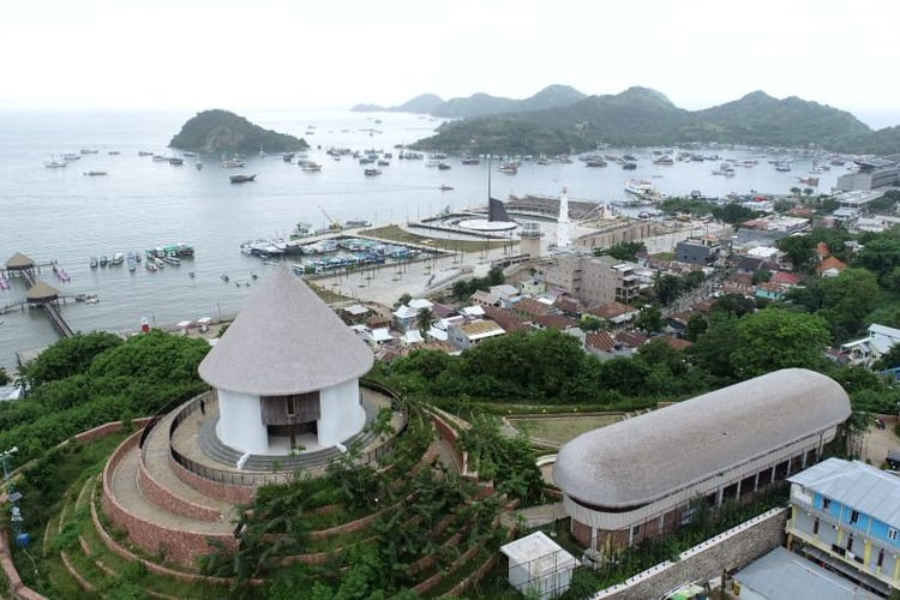
If you are curious about the specialty of Puncak Waringin Labuan Bajo, this article will explain the attractiveness of Puncak Waringin Labuan Bajo and how to go there.
The Puncak Waringin Labuan Bajo
Credit: mawatu.co.id
This tourist area has just been completed and is one of 30 tourist destinations and villages in Flores, Lembata, Alor, Bima (Floratama) and is included in the travel map of the Labuan Bajo Flores Authority (BPOLBF).
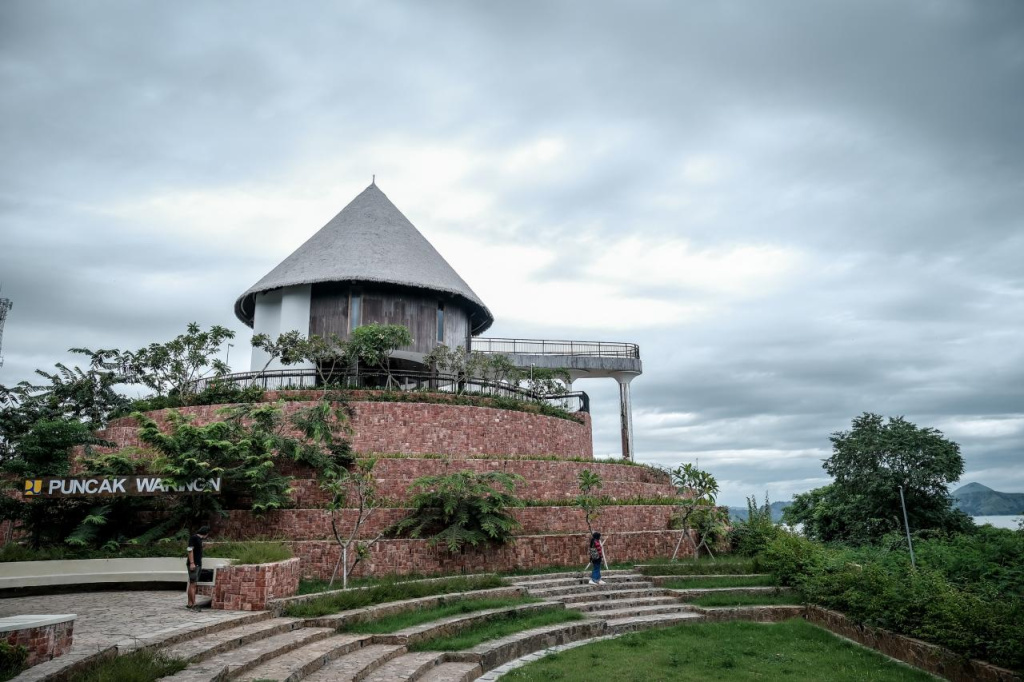
Puncak Waringin is built with an architecture in the style of a traditional Manggarai house. The building has two floors.The first floor is for the longue and the second floor is for the souvenir center and viewing deck.
In addition, Puncak Waringin also has a commercial building of 525 square meters, for kiosks and a weaving area. Not only that, Puncak Waringin also has a 1,700 square meter public open space equipped with an amphitheater and a 235 square meter parking area.
With such complete facilities, of course you will be very comfortable enjoying the beautiful scenery from above, especially if the sun has started to set.
The appeal of Puncak Waringin Labuan Bajo
Credit: kemenparekraf.go.id
Puncak Waringin in Labuan Bajo has a stunning attraction. As a tourist who comes from various regions, you can enjoy some of the advantages of this tourist spot, among others:
1. Beautiful Nature
The main attraction of Puncak Waringin is its natural beauty. From a height, you can see the enchanting expanse of blue sea, small islands scattered in the ocean, and towering limestone cliffs. The cool atmosphere and fresh air at the summit make the climbing experience even more enjoyable. At the top, there is a viewing platform that offers a panoramic view of the beauty of Labuan Bajo and is one of the best spots to enjoy the sunset.
2. Hiking Adventure
Waringin Peak offers a rewarding hiking experience. For adventure lovers, climbing Waringin Peak is a must-try activity. The hiking journey is quite challenging, but the view at the top will make every step and sweat pay off with incredible beauty. The hiking route starts from the nearest village, passing through local life and culture, as well as green forests with various types of flora and fauna.
3. Best Sunset Spot
One of the main attractions of Puncak Waringin is the best sunset spot in Labuan Bajo. The moment of sunset is one of the most anticipated moments by tourists. The stunning color of the sky, the dramatic changes in light and the stunning natural panorama make the sunset moment at the top very impressive. Puncak Waringin is equipped with a guardrail for safety, as well as seating to relax while enjoying the sunset.
4. Instagramable Natural Landscape
For photographers, Waringin Peak offers stunning photography compositions. From the reflection of the sunlight in the sea to the silhouettes of the islands that spoil the eyes, every angle on this peak can be immortalized with elegant photography works. The ships docked at the harbor can also be a beautiful foreground to support your photography composition that deserves to be appreciated as an expensive work.
Route and Cost of Puncak Waringin Labuan Bajo
Credit: vibizmedia.com
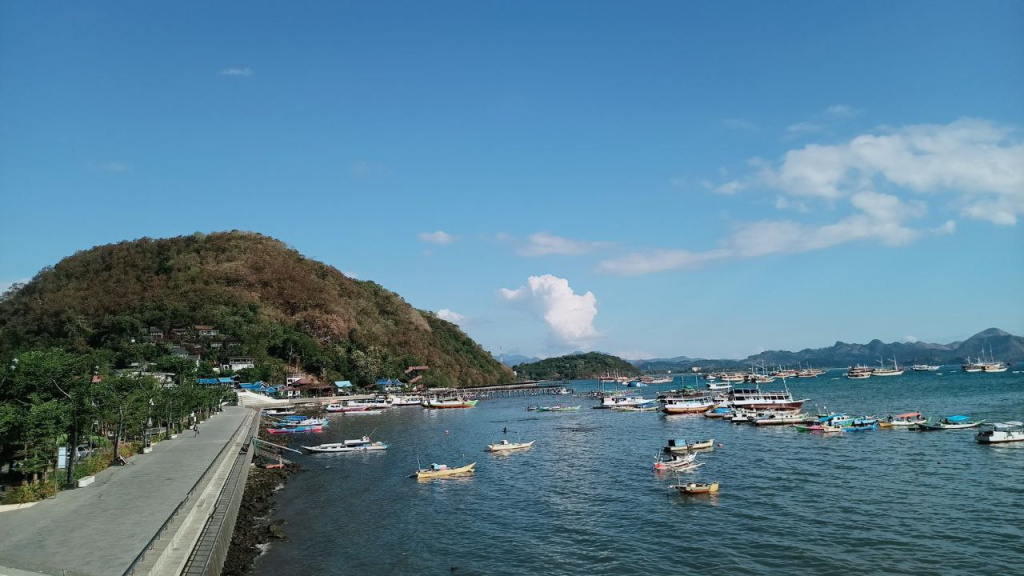
Puncak Waringin Labuan Bajo tourist attraction has a view that is complemented by the silhouette of Water Front City. When you want to enjoy the beautiful scenery there, the local government has provided a view dest with a maximum capacity of two people. Therefore, you need to take your time well so as not to miss the sunset moment when you want to visit Puncak Waringin Labuan Bajo. Puncak Waringin is a tourist spot that has been opened to the public. The fee that tourists who visit Waringin Peak need to pay is IDR 10 thousand for local tourists, IDR 20 thousand for domestic tourists, and IDR 50 thousand for foreign tourists.
Meanwhile, before visiting Puncak Waringin, you also need to know the opening hours. Puncak Waringin Labuan Bajo is open every day from 08.00 to 18.00 WITA. Tourists can also make payments with a very easy mechanism. You can make payments by cash or non-cash. Puncak Waringin Labuan Bajo is a tourist spot that is perfect to visit when you want to enjoy a very beautiful sunset atmosphere in Labuan Bajo.
The post Sunset in Puncak Waringin Labuan Bajo appeared first on Authentic Indonesia.
]]>The post 5 Most Beautiful Mountains in Flores appeared first on Authentic Indonesia.
]]>
Flores Island, located in East Nusa Tenggara Province, has stunning natural scenery ranging from the sea, mountains, forests and everything in between. Besides being known for its panoramic sea views, culture and religion, Flores Island also offers a series of beautiful mountains that cannot be missed by climbers.
These five most beautiful mountains in Flores must be conquered by climbers
The mountains provide unforgettable challenges for climbers. The characteristics of each mountain are different ranging from history, hiking trails, soil conditions and altitude above sea level.
1. Mount Inerie
Credit: Pinterest
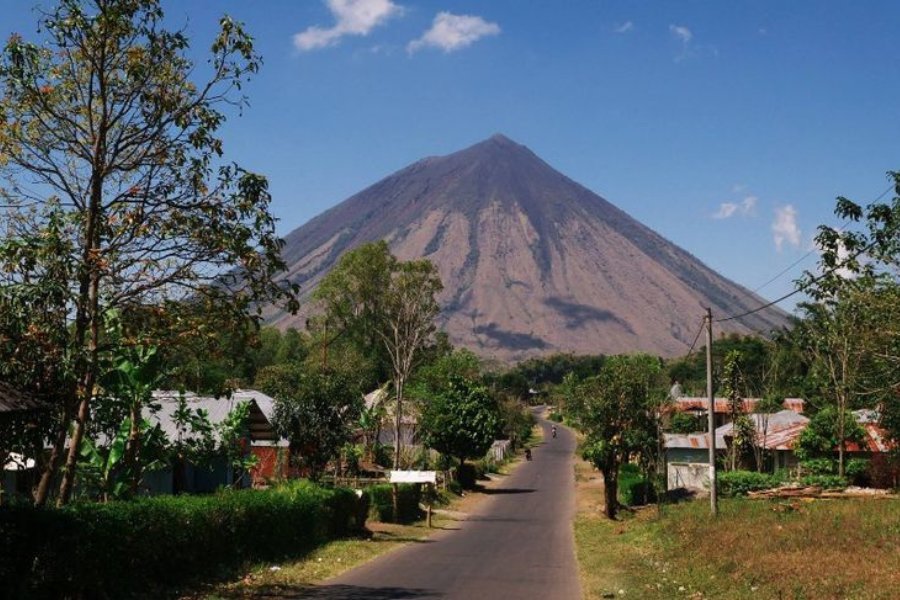
Mount Inerie is a stratovolcano and most of the forests area around the Mount Inerie are at an altitude of 1000-1500 MDPL. Mount Inerie is quite crowded with climbers ranging from locals to foreigners. The peak of this mountain is the highest point on Flores Island. No wonder, Inerie is one of the most beautiful sunrise spots on Flores Island. In addition to the beauty of the natural panorama, the hiking trail that must be passed is also quite an adrenaline rush. To be able to see the sunrise view above the summit of Mount Inerie, it is best to climb at dawn around 03.00 Wita from Bajawa City. The climb is usually accompanied by local guides who understand the climbing route.
2. Mount Ranaka
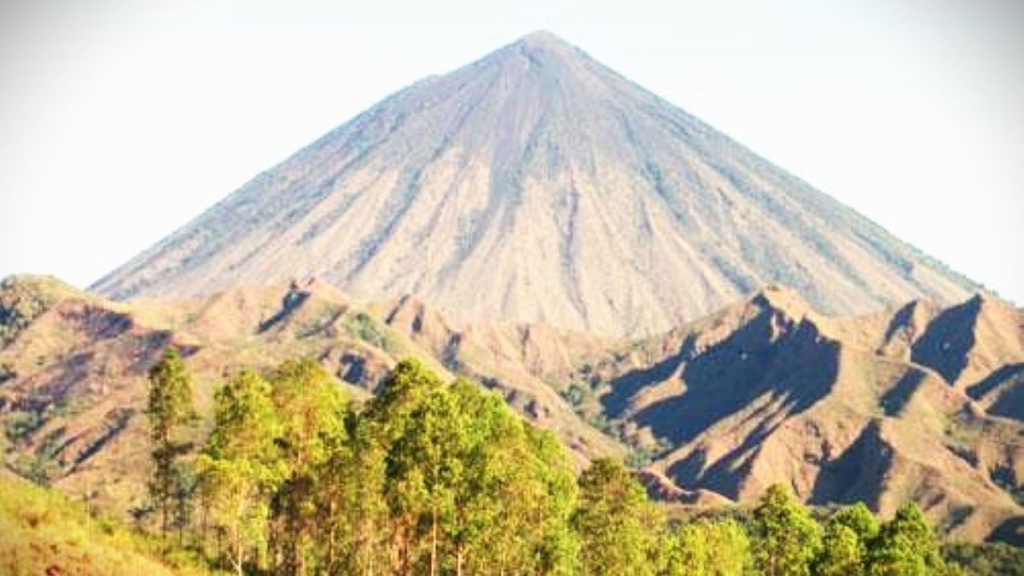
Credit: flores.pikiran-rakyat.com
Mount Ranaka is a volcano located in Manggarai Regency, East Nusa Tenggara. The mountain, which is about 2140 meters high, is one of the mountains that is often climbed by visitors. The ascent journey of Mount Ranaka is 9 km to the top of the mountain and the hiking trail is mostly through the forest area. The mountain is home to many unique flora and fauna. At the top of the mountain you will see a very beautiful natural scenery, watching the view of Ruteng, Borong and Iteng City. At the foot of the mountain there is a lake as a source of drinking water for wild animals. Mount Ranaka was recorded to have last erupted on January 11, 1988 with the height of the eruption reaching 8,000 meters and also accompanied by hot clouds that led to the village of Wae Rebo to the north of the volcano.
3. Mount Ebulobo
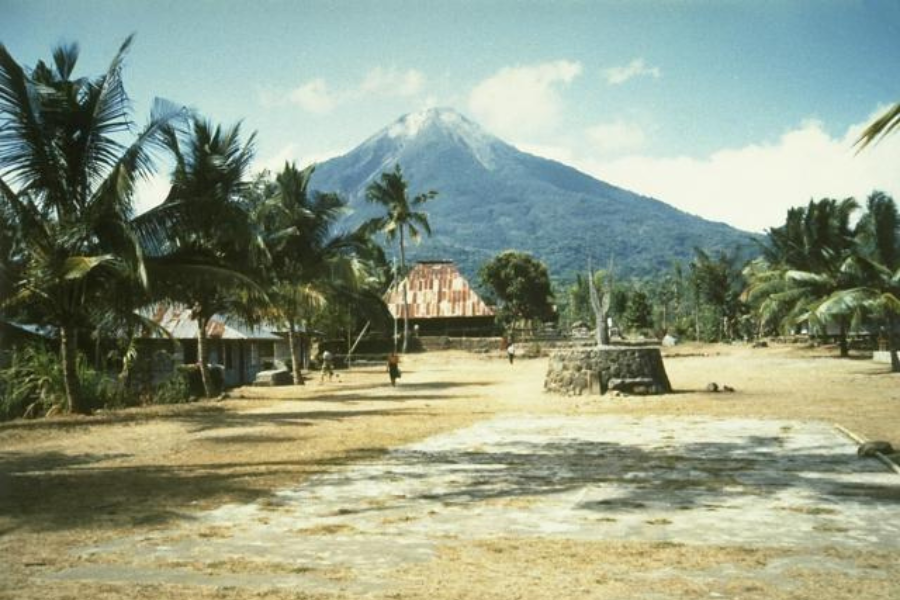
Credit: wikipedia.org
Mount Ebulobo is also known as Emburombu or Puncak Nagekeo. This mountain is a stratovolcano located in the southern part of Nagekeo Regency, Flores Island, East Nusa Tenggara, Indonesia. Mount Ebulobo rises above an altitude of 2,124 MDPL, along with the upper plane of a flat-shaped lava dome. Eruptive events have been recorded since 1830, including lava melting on the northern slopes and explosive eruptions at the top of the crater. Climbing Mount Ebulobo requires extra effort to get to the top of the mountain. Mount Ebulobo’s hiking trails are mostly dirt and sandy paths, with occasional gravel.
4. Mount Lewotobi
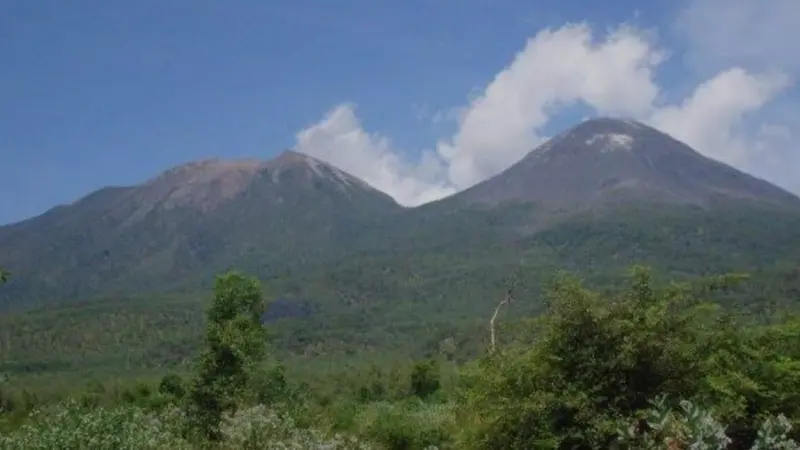
Credit: liputan6.com
Mount Lewotobi is one of the andesitic type strato volcanoes located in the eastern part of Flores Island. Mount Lewotobi is often called a twin volcano because it has two peaks, Mount Lewotobi Male at 1584 meters above sea level/5,196 feet and Mount Lewotobi Female at 1703 meters above sea level/5,587 feet in the south. The two mountains are only separated by a distance of 2 kilometers. The crater at the top of Lewotobi Male is 400 meters in diameter, while the crater at the top of Lewotobi Female is 700 meters in diameter.
5. Mount Egon
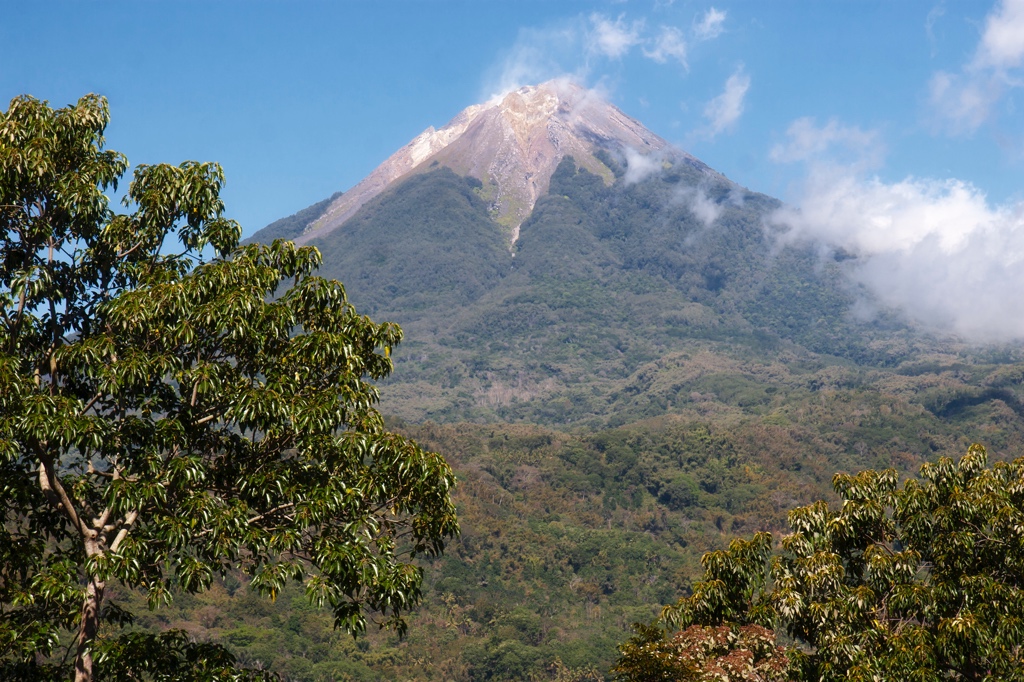
Credit: wikipedia.org
Mount Egon is a volcano located in Sikka Regency, Flores Island, East Nusa Tenggara province, Indonesia. It has an altitude of 1661 meters above sea level. Mount Egon became active again in 2006 after a 75-year hiatus. Egon was recorded to have erupted violently in 1925. This mountain is considered sacred by the local villagers. It is said that on this mountain there is a seven-headed snake where if this seven-headed snake comes out and appears to the mountain guard, it is a sign that Mount Egon will soon erupt. For this reason, people around Mount Egon always give offerings in the form of gold, pigs, brown rice, tuak and eggs. These offerings along with the ceremony are always preceded by Du’a Mapi Giek Mo’an Tanah Gahar. This is intended to ask for the protection of the mountain guardian spirits from volcanic disasters.
The post 5 Most Beautiful Mountains in Flores appeared first on Authentic Indonesia.
]]>The post 9 Beautiful Islands in Komodo National Park appeared first on Authentic Indonesia.
]]>
1. Komodo Island
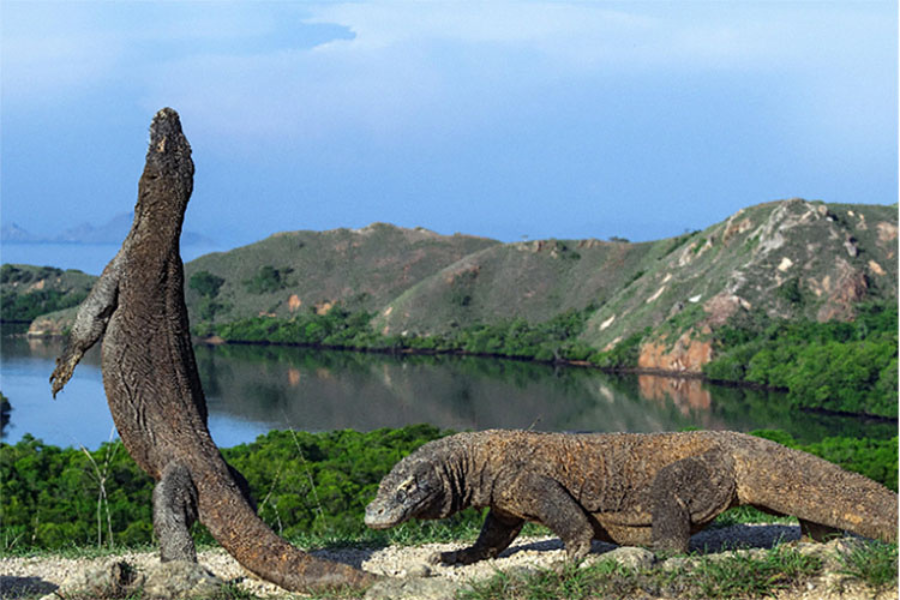
Credit: radarmukomuko.disway.id
The first island to be discussed is Komodo Island, which is the original habitat of a protected animal, the Komodo dragon. The island is located in the west of Sumbawa Island and separated by the Sape Strait, included in the Komodo District, West Manggarai Regency, East Nusa Tenggara (NTT). The flora and fauna on Komodo Island are diverse.
For plants, there is the Sepang Wood Tree which is used by local residents as medicine and clothing coloring material. Other than seeing Komodo dragons in the wild, visitors can also explore the forest, climb hills or enjoy the beach atmosphere. The people who live in Komodo Village have a variety of livelihoods, including tour guides, homestay managers, tour boats, sculpture craftsmen and souvenir sellers.
2. Rinca Island
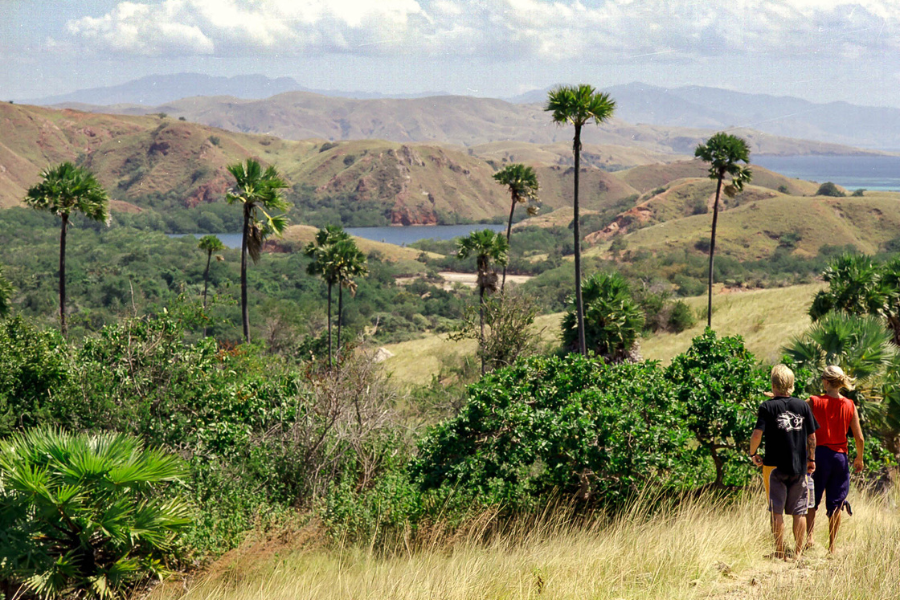
Credit: wikipedia.org
Rinca Island is one of the three main islands in Komodo National Park. The location of the island is in the west of Flores Island, Nusa Tenggara Islands, which is separated by the Molo Strait. Just like Komodo Island, Rinca Island is one of the areas that is the original habitat of Komodo animals. If Komodo Island is covered by mostly forest, Rinca Island is dominated by grasslands or savanna. It is known that there are two villages on Rinca Island, namely Papagarang Village and Pasir Panjang Village, most of whose residents work as fishermen.
The Indonesian government is known to be working on the “Jurassic Park” project in the Rinca Island area. This development is carried out so that in the future there are more tourists coming. Even so, in carrying out the development, the government claims to prioritize the protection and sustainable use of geological heritage.
3. Padar Island
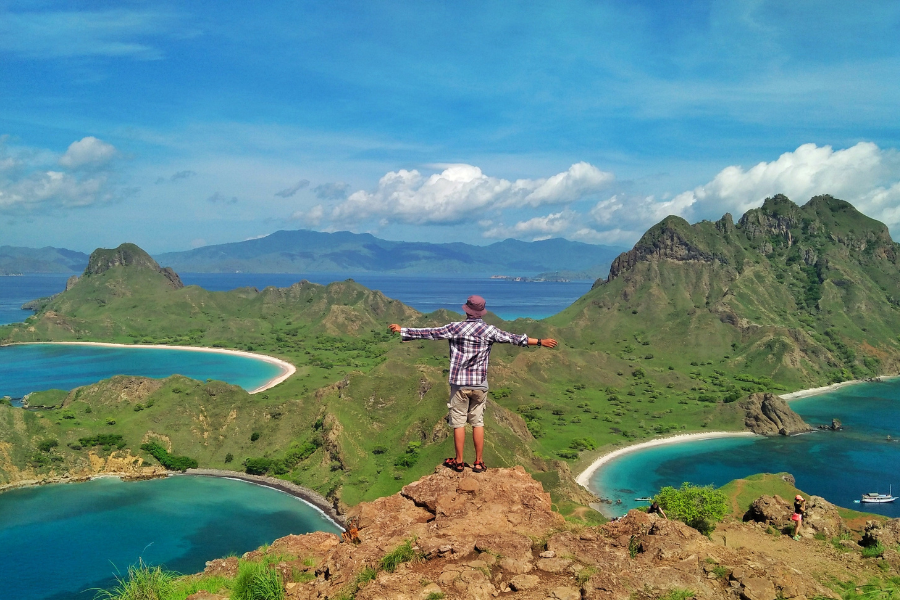
Credit: wikipedia.org
Padar Island, which is one of the three largest islands in the Komodo National Park area. Those who want to go to Padar Island can travel approximately four hours by boat from Pede Beach Pier, Labuan Bajo. The Covid-19 pandemic has hit the tourism sector, making the government continue to organize the Labuan Bajo area in the hope of boosting economic growth and tourism which is currently declining.
Tourists can cross on the Sumba Ocean Pinisi Ship. It is known that Pinisi Ships are mostly made in Bulukumba, which is known as the village of boat builders. During the crossing, tourists can enjoy facilities on the ship, such as meals, bedrooms, toilets and many more. Arriving at Padar Island, tourists must climb 818 steps if they want to see the beautiful scenery in the Komodo National Park area.
4. Gili Lawa
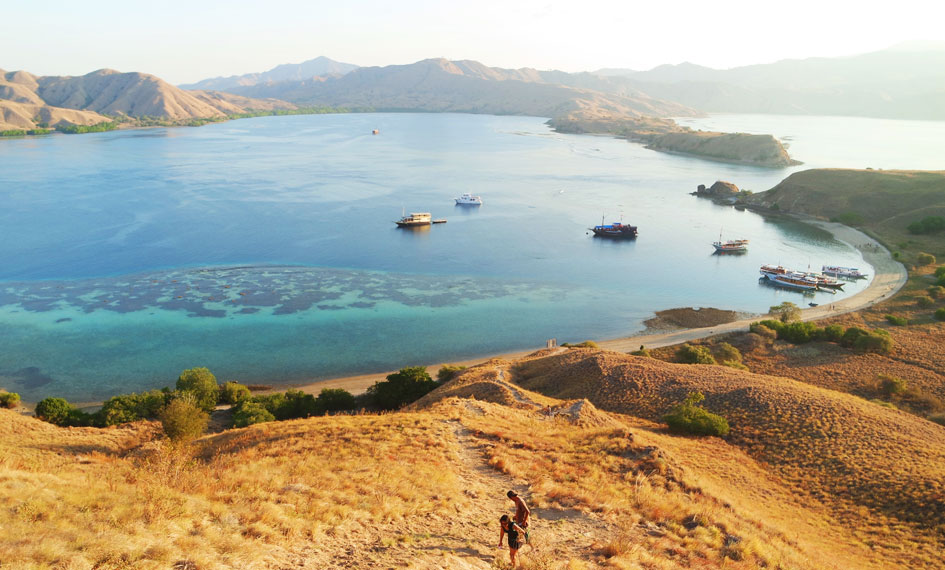
Credit: indonesiakaya.com
The name Gili Lawa is another name for Gili Laba, a small uninhabited island located north of Komodo Island. For tourists visiting Labuan Bajo, Gili Lawa is one of the favorite places to visit after diving. This small island offers a view of exotic hills with vast grasslands and is surrounded by a beautiful blue sea. The grassland is green during the rainy season and turns yellow during the dry season. Here, tourists can trek or climb the hill to see the view of the islands near Gili Lawa, such as Komodo Island, Kanawa, and Sebayur Island.
5. Kelor Island
Credit: labuanbajotour.com
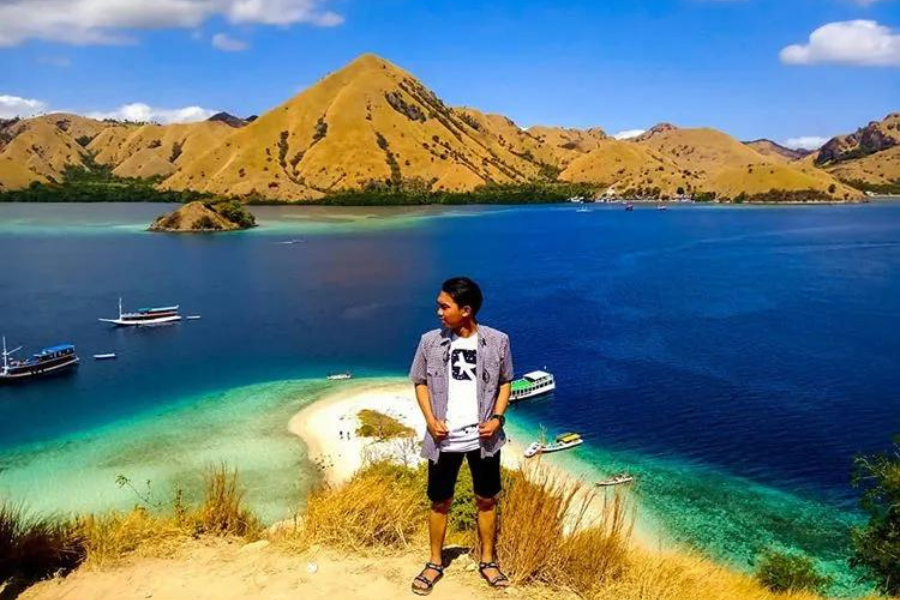
Snorkeling lovers must come to Kelor Island, which is famous for its underwater diversity. If snorkeling in the Kelor Island area, tourists will be treated to around 260 types of coral reefs and thousands of species of fish. Kelor Island is still in the Komodo National Park area and is located among many other small islands.
6. Kalong Island
Credit: visitingjogja.jogjaprov.go.id
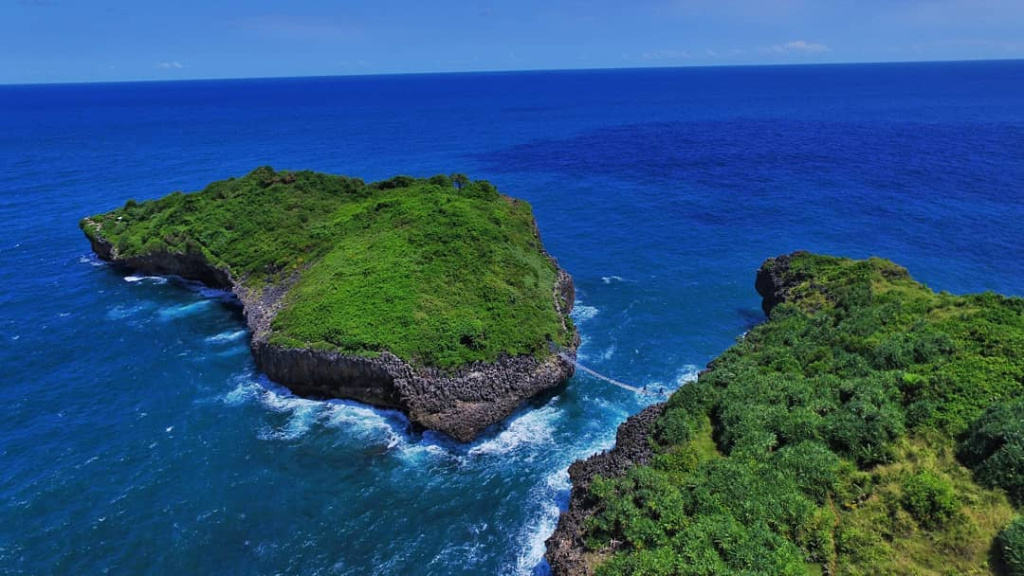
There are many small islands in Komodo National Park, including Kalong Island, located between Rinca Island and Papagarang Island. The local people there call it Kalong Island, because the island is covered in mangrove trees that are inhabited by millions of bats. Travel time to the island is about 35 minutes by speedboat from Labuan Bajo city.
7. Sebayur Island
Credit: tripbajo.co.id
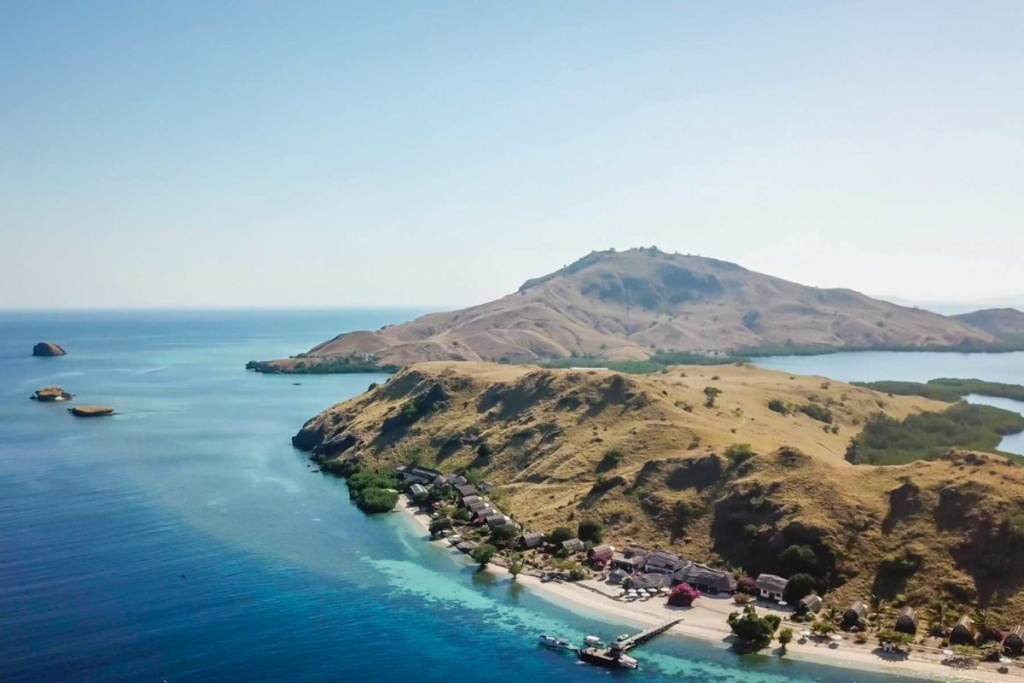
Besides Kelor Island, there is another interesting place for snorkeling activities which is the Sebayur Island, located around Labuan Bajo. There is a coral reef extending southwestward from the island that forms a chasm to a depth of 30-40 meters. Travelers can dive along this reef wall to the east or west depending on the sea current. There are several spots sheltered by large boulders where giant Travellies (a type of fish), white point reef sharks as well as other large fish are often seen.
8. Gili Motang
Credit: romandhiroko.wordpress.com
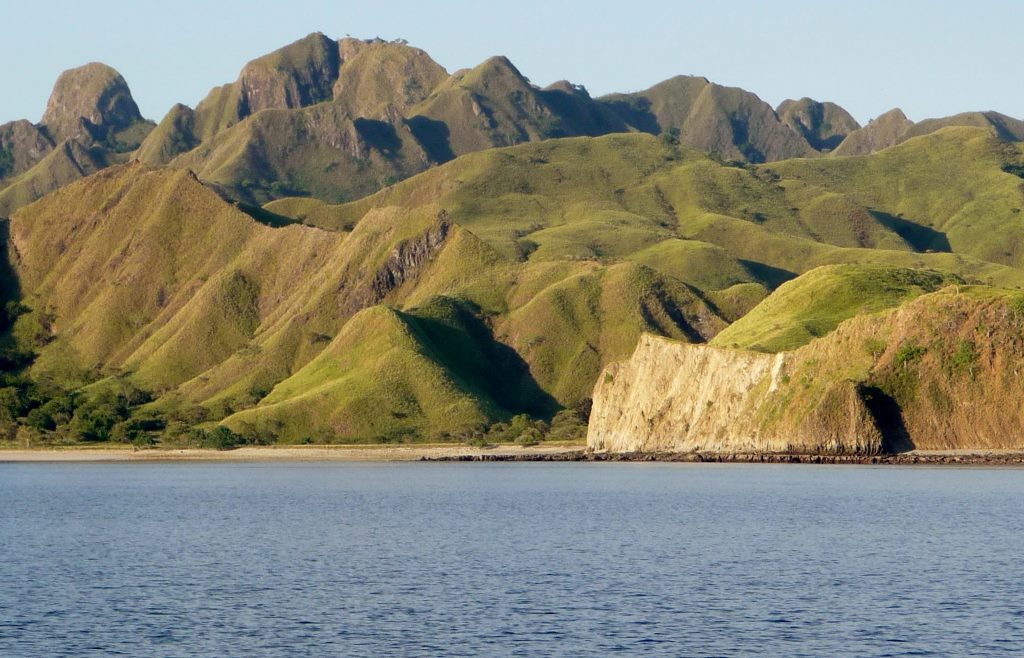
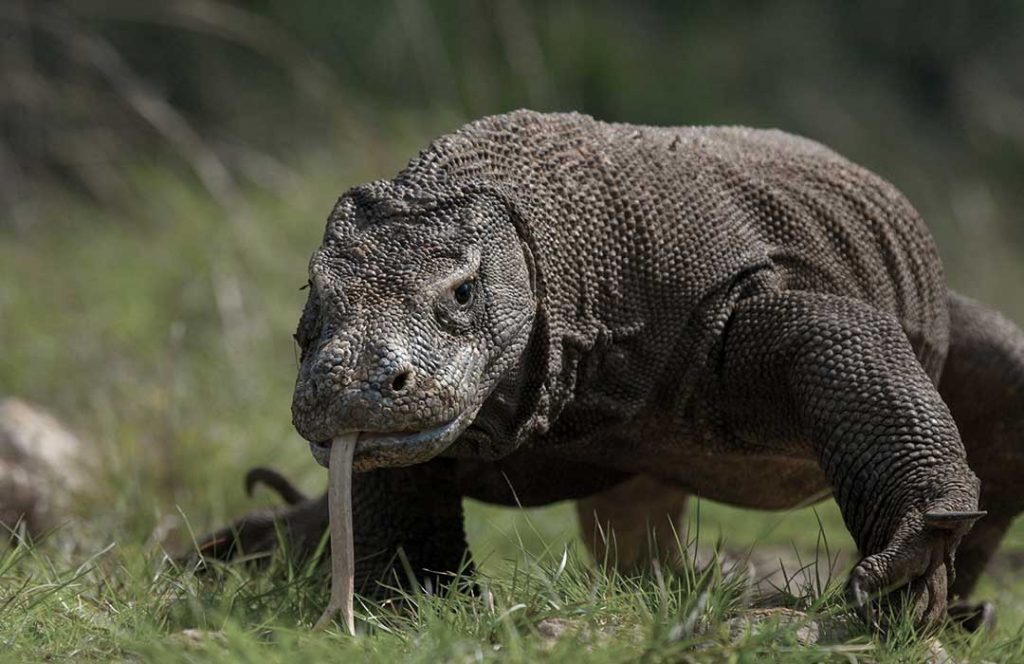
Gili Motang Island, which is one of the small islands in Komodo National Park, has an area of about 30 square kilometers. Rinca Island is one of the habitats of the ancient reptile Komodo. Based on data in 2010 on this island alone there were 1336 Komodo dragons, while there were about 1288 on Komodo Island, 86 on Nusa Kode Island, and another 83 on Gili Motang Island. Gili Motang has a beautiful beach, tourists can play water or swim safely because the water area is quite shallow. On this island, tourists can also see the Komodo dragon.
9. Gili Dasami
Credit: komodotourpackages.com
Besides Gili Motang Island, there is also Gili Dasami Island which is also a small island that looks like a hill. Just like Gili Motang Island, Gili Dasami is also inhabited by a number of Komodo dragons, so tourists visiting this place can also see these ancient animals.
The post 9 Beautiful Islands in Komodo National Park appeared first on Authentic Indonesia.
]]>The post Facts About Komodo Airport Labuan Bajo appeared first on Authentic Indonesia.
]]>
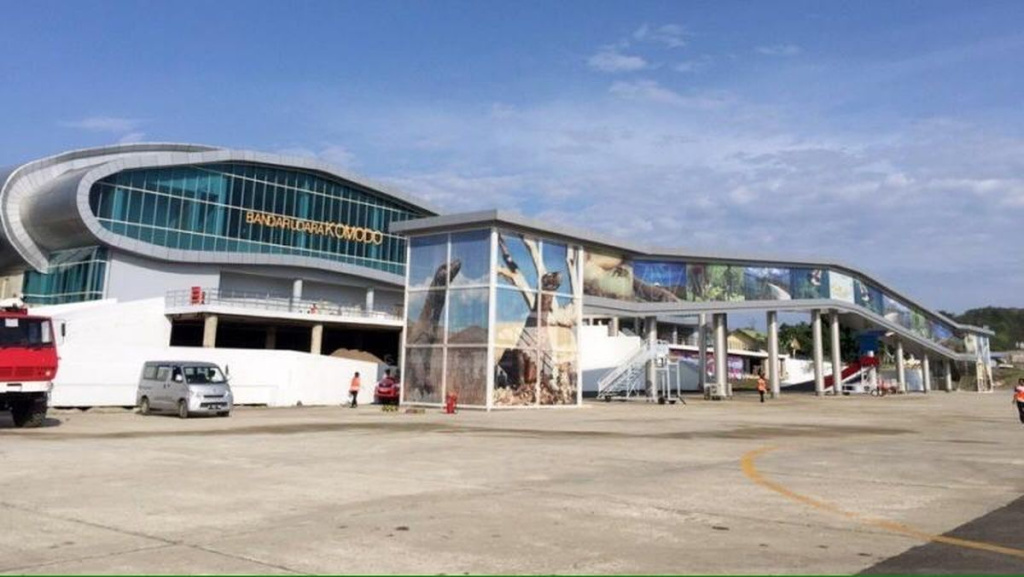
Labuan Bajo itself is a small town that serves as the gateway to the Komodo Islands. With the opening of this international airport, accessibility to this tourist area is easier, allowing tourists to explore the beauty of Komodo Island more comfortably.
Credit: finance.detik.com
Interesting Facts about Komodo Airport
Komodo Airport has many interesting facts to discuss. Some of them are:
1. New Runway Length
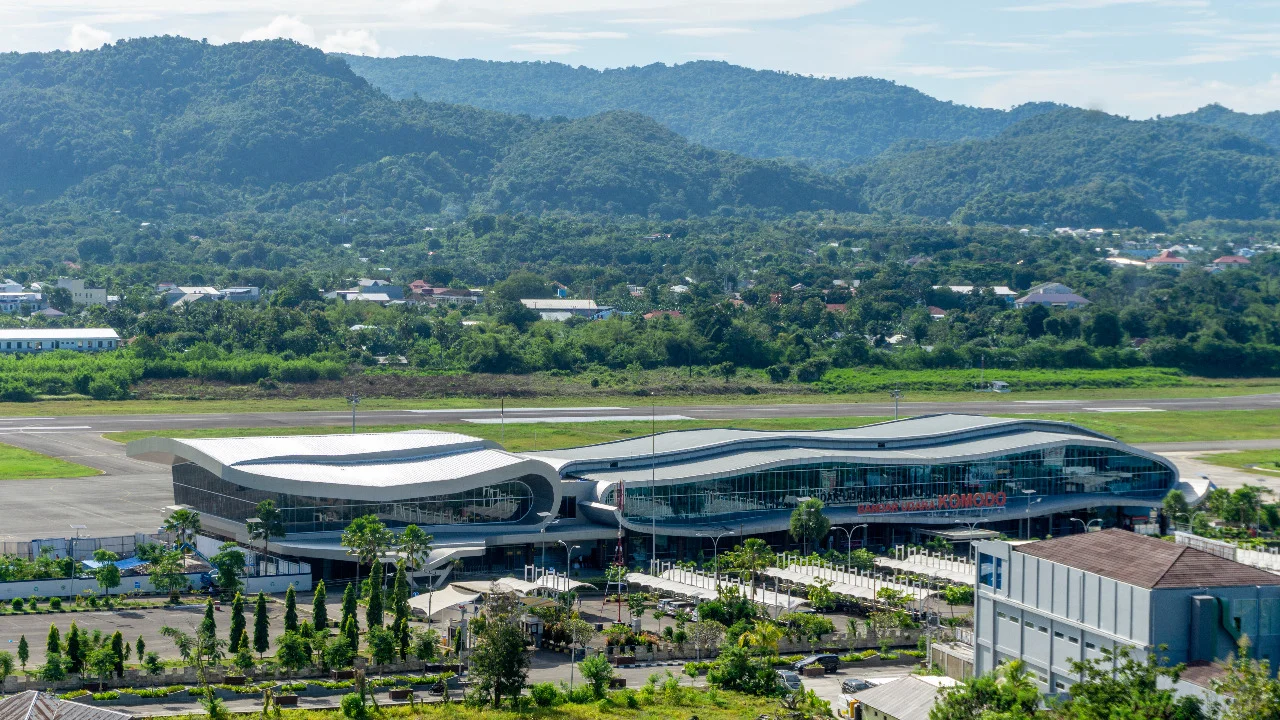
Over the past two years, Komodo Airport has extended its runway from 2,450 meters x 45 meters to 2,650 meters x 45 meters. Komodo Airport also improved the beautification of the 1,500 square meter terminal building. The terminal can accommodate 1.1 million travelers per year. The building is also designed with silhouettes of Komodo dragons and Wae Rebo traditional houses. Not only that, the concept carried is traditional or local wisdom with the songket mata ayam motif, although it still has a modern touch. The expansion of the airport, which occupies an area of 114.1 hectares, is carried out in order to support the tourism potential in the area which will become one of the 10 “New Bali” tourist destinations.
2. Boeing 737 Aircraft Can Landing at The Airport
Because the runway has been extended to 2,650 meters, currently Boeing 737 aircraft with a maximum load can landing at Komodo International Airport. The Boeing 737 can also take off from Komodo Airport, allowing airlines to use it on direct flights for overseas routes.
3. Managed by The Private Sector for 25 Years
The management of Komodo Airport was handed over to the private sector, which are a consortium of PT Cardig Aero Services (CAS) and Changi Airports Mena Pte Ltd from Singapore. The management of Komodo Airport uses the Government and Business Entity Cooperation Agreement (KPBU) scheme, which does not mean that the airport is sold to the private sector or foreigners. As the airport operator, CAS has invested up to Rp 1.2 trillion for development, which is targeted to be completed in the next five years.
4. Upgraded to International Airport Status in July 2020
Komodo Airport’s status has changed to an international airport in July 2020. However, until now, there has been no realization of direct flights from other countries to Komodo Airport. Currently, direct flights to Komodo Labuan Bajo Airport only come from within the country, such as city of Jakarta, Surabaya, Bali, Lombok, Kupang and Ende. All because there is a delay due to the Covid-19 pandemic since March 2020 and as a result some infrastructure and facilities still have not been repaired and adjusted to support the international route service. Until now, there have been two international airlines interested for direct flight to Labuan Bajo, which are Singapore and Australia.
Credit: majalahbandara.com
With the opening of Komodo Airport Labuan Bajo, Indonesia has opened the door to one of the world’s greatest natural wonders. This step not only increases tourist accessibility to Komodo Island but also contributes positively to the local economy. However, the challenges of preserving nature and managing tourism growth must be addressed wisely to ensure that Komodo Island remains a sustainable and stunning tourist destination for years to come.
The post Facts About Komodo Airport Labuan Bajo appeared first on Authentic Indonesia.
]]>